












Previous
Avian Influenza Resurgence in Europe Highlights Critical Need for Protective Equipment


Introduction
The mobility aids industry is undergoing a
significant transformation, with lightweight wheelchairs rapidly becoming one
of the most in-demand product categories. As aging populations increase and
healthcare infrastructure improves, there is a clear shift toward mobility
solutions that emphasize portability, comfort, and durability.

Leading manufacturers such as INTCO Medical,
known for its expertise in rehabilitation and assistive devices, are driving
this evolution through ergonomic design, advanced materials, and user-focused
innovation—helping millions regain independence and confidence in daily life.
Market Growth and Key Trends
Expanding Global Demand
The global wheelchair market has seen
consistent expansion, driven by factors such as disability awareness, material
innovation, and government healthcare support. According to Fortune Business
Insights (2024), this market is projected to maintain steady growth through
2032, fueled by consumers’ preference for lightweight aluminum and carbon fiber
designs that provide strength without bulk.
Institutional Upgrades and Accessibility
Healthcare providers across Asia-Pacific,
Latin America, and Eastern Europe are replacing outdated wheelchairs with foldable,
modern units that simplify patient handling and transport. The surge in
hospital and rehabilitation center procurement highlights a global movement
toward efficiency and patient-centered care.
Why Lightweight Wheelchairs Are
Transforming Mobility
Portability and Empowerment
Lightweight wheelchairs enable users to
enjoy greater mobility and independence. Their ability to fold and transport
easily makes them especially popular among individuals who travel frequently or
rely on self-managed care.
Growth of Home Healthcare
Post-pandemic trends have accelerated the
demand for mobility aids suited for home and community use. According to Allied Market Research (2023), the rise in homecare rehabilitation has directly
boosted the popularity of portable wheelchair models, which allow users to
navigate both domestic and outdoor environments with ease.

Technology and Material Innovation
Advanced Materials for Lighter Designs
Breakthroughs in material science—notably
the use of aluminum alloys, carbon fiber, and reinforced polymers—are
redefining performance standards in the lightweight wheelchair market. These
materials reduce frame weight without compromising on structural integrity or
safety.
Ergonomic Engineering
Manufacturers are increasingly integrating adjustable
backrests, quick-release wheels, and modular seating systems to enhance user
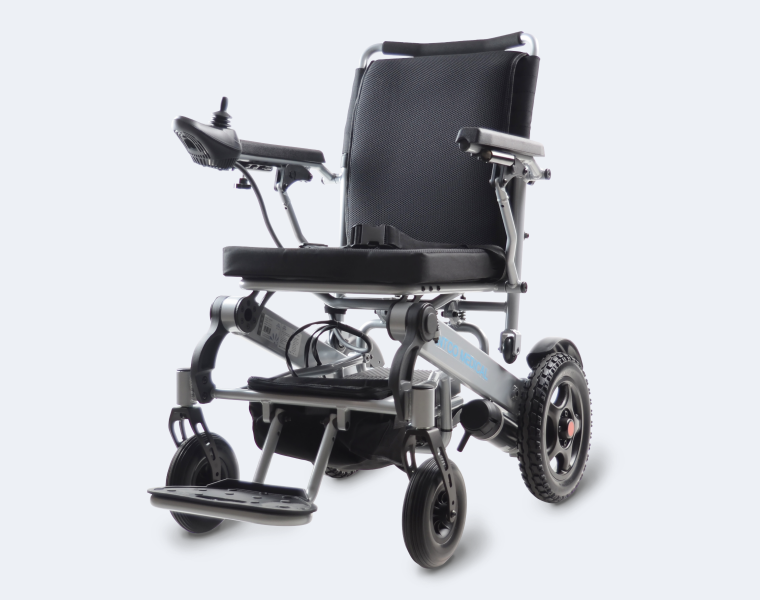
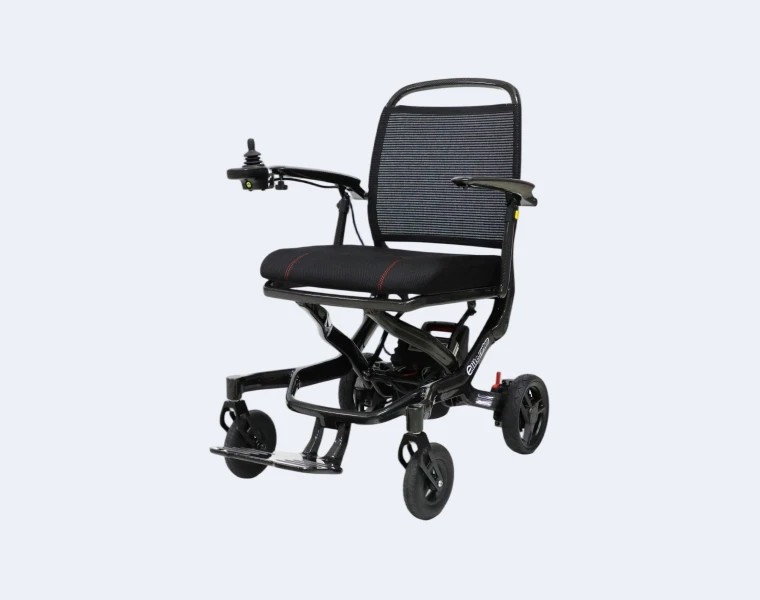
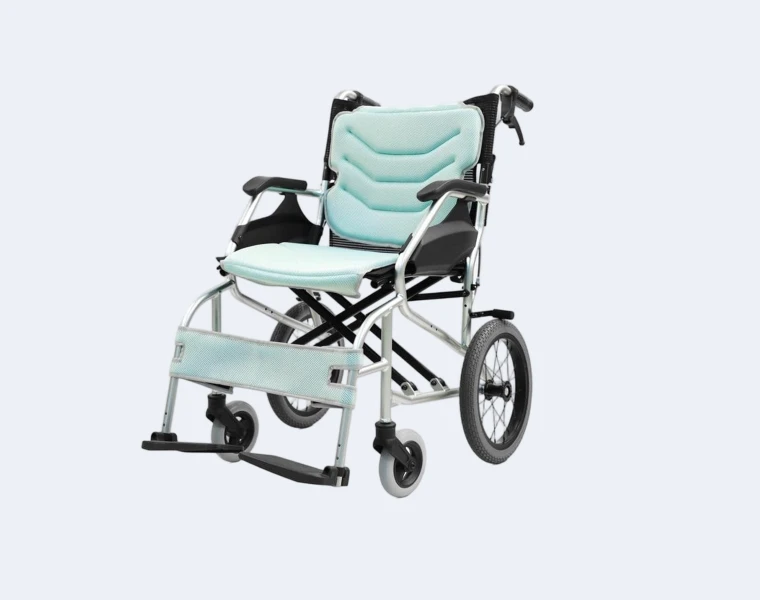
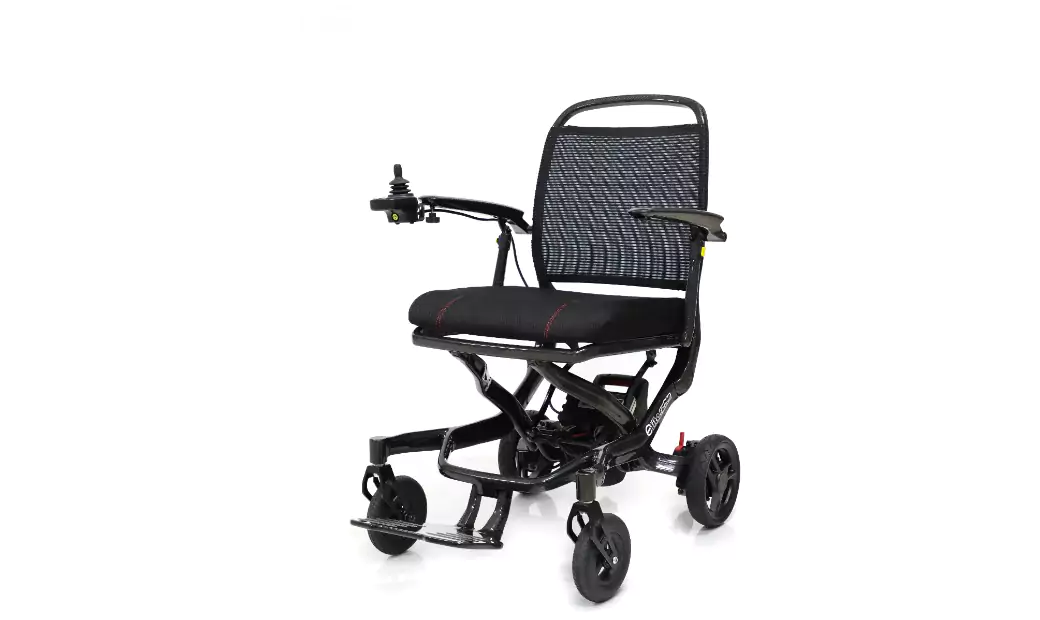
comfort. A prime example is INTCO Medical’s E-LITE wheelchair, which combines a
sleek aluminum frame with customizable options, a detachable cushion, and a
foldable backrest—delivering both practicality and modern aesthetics.
Applications Across Healthcare Settings
Hospitals and Rehabilitation Facilities
Lightweight wheelchairs play a crucial role
in short-distance patient transport and mobility training programs. Their
reduced weight helps minimize strain on caregivers and lowers injury risks in
healthcare environments.
Long-Term and Institutional Care
In nursing homes and assisted living
centers, lightweight models enhance residents’ participation in social and
outdoor activities. Research and Markets (2023) reports that such facilities
represent one of the fastest-growing institutional buyers, reflecting a strong
trend toward inclusive, patient-centered mobility.
Public Accessibility Programs
Governments and NGOs in developing regions
are increasingly incorporating lightweight wheelchairs into disability
inclusion programs due to their cost-effectiveness and ease of distribution, especially
in rural and remote areas.
Customization and User-Centered Design
Personalized Mobility Solutions
The industry is shifting toward custom-fit
wheelchairs that can be tailored to the user’s specific physical and
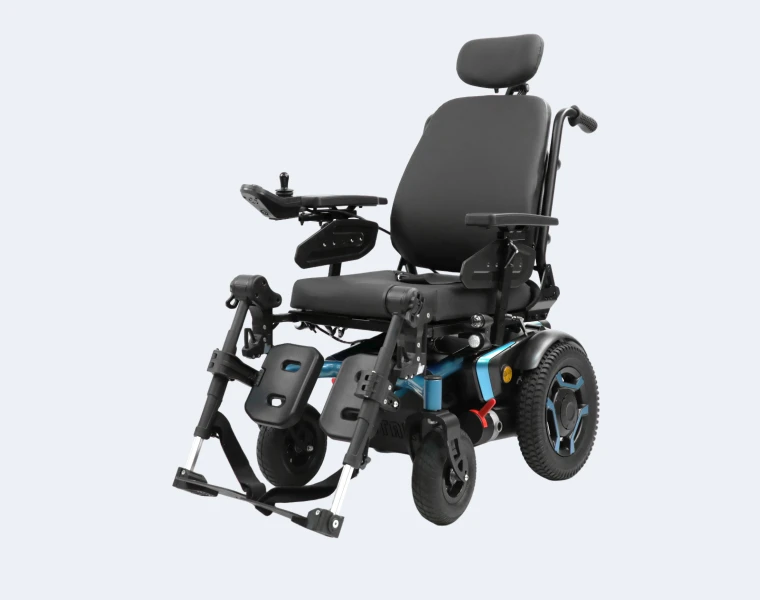
therapeutic needs. INTCO Medical’s ACTIVE wheelchair exemplifies this approach,
featuring adjustable seat height, backrest angle, and gravity balance for
optimal comfort and performance.
Efficiency Through Modularity
Hospitals and distributors benefit from
modular construction, which allows easy replacement or upgrading of components—reducing
costs and extending product lifespan.
Regional Insights and Market Outlook
Emerging Market Leadership
While North America and Western Europe
maintain steady demand due to established healthcare systems, Asia-Pacific is
emerging as the largest growth engine. Market Research Future (2024) projects
that China, Japan, and India will lead the global market by 2030, supported by
government subsidies and growing public awareness.
Policy Support and Inclusion
Many countries are implementing disability
assistance programs and healthcare reimbursement schemes, making lightweight
wheelchairs more accessible to broader populations.
Sustainability and Lifecycle Performance
Eco-Conscious Manufacturing
Sustainability is becoming central to
wheelchair production. Lightweight designs often utilize recyclable metals and
composites, supporting eco-friendly manufacturing and a reduced carbon
footprint.
Operational and Cost Efficiency
These wheelchairs not only save energy
during production but also reduce maintenance costs over time—offering
healthcare institutions a lower total cost of ownership.
Competition and INTCO Medical’s
Leadership
Innovation as a Differentiator
As market competition intensifies, leading
brands are distinguishing themselves through technological advancement, product
certifications, and consistent quality assurance.
INTCO’s Global Contribution
INTCO Medical stands out with models like E-LITE,
ACTIVE, and DOLY, combining ergonomic precision, modern design, and dependable
performance. The company’s commitment to affordability and durability has
strengthened its global presence, particularly in emerging markets where
accessibility and cost efficiency drive purchasing decisions.
Future Challenges and Opportunities
Rising Material Costs
The increasing cost of high-end materials
such as carbon fiber remains a challenge for manufacturers seeking to balance
performance with affordability.
Smart Mobility Innovations
The next wave of development is expected to
bring IoT connectivity, biometric monitoring, and smart braking systems, making
wheelchairs not only lighter but also more intelligent and responsive to user
needs.
Conclusion
The global shift toward lightweight,
customizable, and eco-friendly wheelchairs represents a defining chapter in
mobility innovation. Through the integration of advanced materials, ergonomic
design, and digital technology, the industry is empowering individuals and
healthcare systems alike.
As a pioneer in rehabilitation technology, INTCO
Medical continues to lead this evolution—delivering world-class solutions that
combine comfort, performance, and sustainability. The future of mobility is
lighter, smarter, and more inclusive than ever before.


